Regular HVAC maintenance plays a crucial role in extending the life of heating, ventilation, and air conditioning systems. These systems are essential for maintaining comfortable indoor environments throughout the year, but without proper care, they can deteriorate quickly and require costly repairs or replacement. Routine maintenance helps identify potential issues early, ensuring that the system operates efficiently and reliably over time.
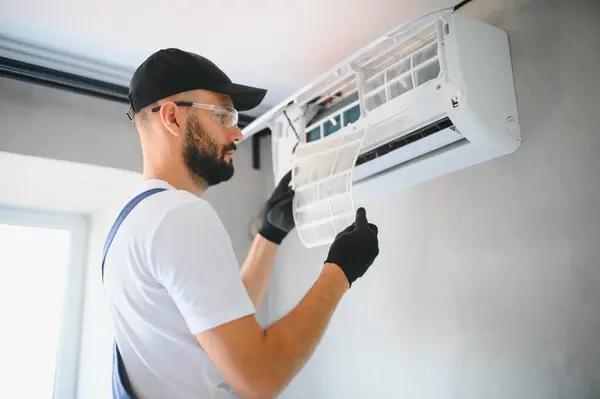
One of the primary benefits of regular HVAC maintenance is improved efficiency. When filters become clogged with dust and debris, airflow decreases, forcing the system to work harder to heat or cool a space. This extra strain not only increases energy consumption but also accelerates wear on components such as compressors and fans. By changing or cleaning filters regularly and inspecting other parts like coils and ducts for dirt buildup, technicians help maintain optimal airflow and reduce unnecessary stress on the system.
Another important aspect of routine maintenance involves checking refrigerant levels. Insufficient refrigerant can cause cooling problems while leading to compressor damage due to overheating. Technicians ensure that refrigerant charges meet manufacturer specifications during service visits, preventing performance issues that could shorten equipment lifespan. Additionally, sealing leaks ac installation in auburn ductwork prevents conditioned air from escaping before it reaches living spaces, further enhancing efficiency.
Electrical connections within an HVAC unit should also be inspected periodically to avoid malfunctions caused by loose wiring or corrosion. Tightening these connections reduces risks related to electrical failures which might result in sudden breakdowns requiring expensive emergency repairs. Testing thermostat functionality ensures accurate temperature control so that the system does not run unnecessarily long cycles that contribute to premature component fatigue.
Lubrication of moving parts like motors and bearings is another key maintenance task that minimizes friction-related wear over time. Proper lubrication allows mechanical components to operate smoothly while reducing noise levels during operation.
Scheduling professional inspections at least twice a year-typically before summer cooling season and winter heating season-is recommended for comprehensive evaluations covering all critical elements of an HVAC system. Homeowners benefit from expert assessments identifying minor concerns before they escalate into major problems affecting comfort or safety.
In summary, consistent HVAC maintenance significantly prolongs system longevity by enhancing efficiency, preventing breakdowns through early detection of faults, maintaining proper refrigerant levels, securing electrical integrity, ensuring smooth mechanical operation with lubrication services, and verifying thermostat accuracy for precise climate control inside homes or commercial buildings alike. Investing in routine care ultimately saves money by lowering utility bills while avoiding costly replacements sooner than necessary due to neglectful upkeep practices over time.