Selecting the right replacement part for your appliances is essential to ensure proper functioning and extend the life of your device. The process begins with identifying the exact model and make of your appliance, as compatibility depends heavily on these details. Locate the model number, usually found on a label inside or behind a door, on the back, or underneath the appliance. This information helps narrow down parts that will fit perfectly without causing damage or inefficiency.
Once you have identified your appliance’s specifics, research the component that needs replacement. Understanding its role in the machine can prevent unnecessary purchases or incorrect parts that won’t resolve the issue. If unsure learn more about it here which part requires changing, consult user manuals or online resources related to troubleshooting common problems for your particular model. Many manufacturers provide detailed diagrams and part numbers within their manuals or official websites.
After pinpointing the correct part number, consider purchasing from reputable sources such as authorized dealers or well-known retailers specializing in appliance components. Avoid generic parts unless they are certified compatible because inferior quality replacements may lead to further breakdowns and void warranties. Authentic parts often come with guarantees ensuring reliability and durability compared to cheaper alternatives.
Before finalizing a purchase, verify return policies and warranty conditions offered by sellers. This precaution allows you to exchange incompatible items without additional cost if mistakes occur during selection. Additionally, check reviews from other customers who bought similar components; their experiences can offer insight into product performance and seller credibility.
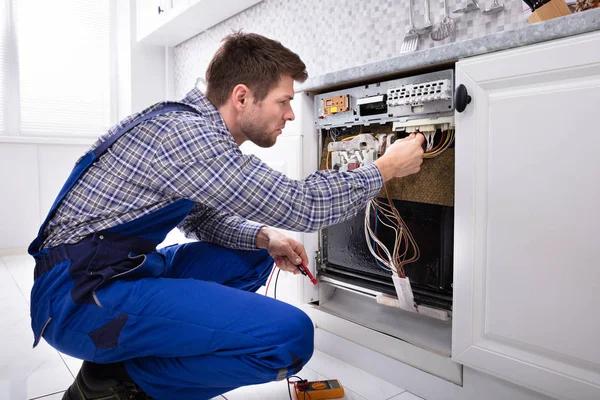
Installation is another critical aspect when dealing with replacement parts. Some repairs require professional assistance due to complexity or safety concerns involving electrical connections or gas lines. If you lack experience in repairing appliances yourself, hiring a qualified technician ensures proper installation and prevents accidental damage.
Finally, maintain records of all replaced parts including receipts and warranty cards for future reference should similar issues arise again. Keeping track also helps when consulting professionals about recurring problems since it provides context regarding previous repairs.
In summary, choosing an appropriate replacement part involves accurately identifying your appliance’s model number followed by thorough research into compatible components sourced from trusted suppliers offering clear return policies alongside reliable warranties while considering professional help for installation if needed; this approach safeguards functionality and longevity of household appliances effectively over time.