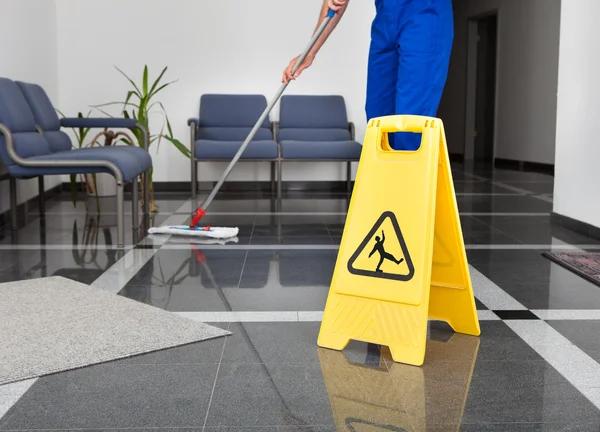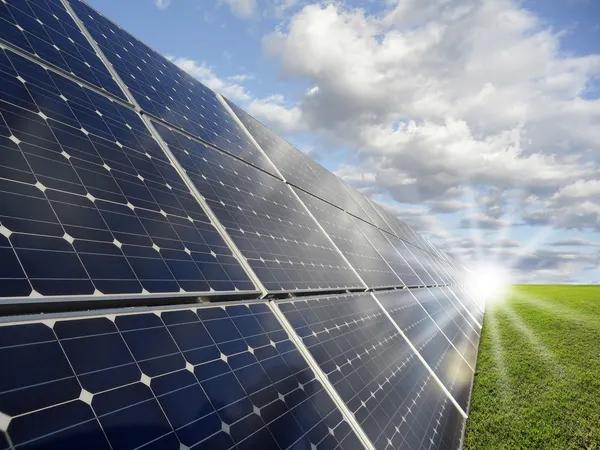
Maintaining solar panels is essential to ensure their long-term performance and maximize energy efficiency. Proper care helps prevent potential issues that could reduce the system’s output or cause costly repairs. One of the primary maintenance tasks involves regular cleaning, as dirt, dust, bird droppings, and other debris can accumulate on the surface and block sunlight from reaching the photovoltaic cells. Cleaning should be done with soft materials such as a sponge or microfiber cloth combined with water to avoid scratching the panels. Harsh chemicals and abrasive tools must be avoided because they can damage the protective coating.
Inspection plays a crucial role in identifying problems early before they escalate into significant faults. It is advisable to visually check solar panels at least twice a year for cracks, discoloration, loose wiring, or corrosion around connections. Monitoring systems installed alongside many solar setups can also provide real-time data about energy production; any sudden drop in output may indicate an issue requiring attention. In addition to visual checks, it is important to examine mounting hardware regularly since strong winds or heavy snow could loosen bolts or brackets over time.
Shading can drastically reduce panel efficiency by blocking sunlight partially or entirely during certain hours of the day. Therefore, trimming nearby trees and vegetation that grow taller than expected ensures that shadows do not interfere with power generation. Seasonal changes might require adjustments in panel positioning if your system allows tilt modifications; optimizing angles according to sun trajectory enhances absorption throughout different times of the year.
Electrical components such as inverters need periodic assessment because they convert direct current generated by panels into usable alternating current for home use. Faulty inverters often cause find more information downtime than damaged panels themselves; thus professional servicing every few years guarantees optimal functioning and safety compliance.
Weather conditions like hailstorms or heavy snowfall may inflict physical damage on solar modules despite their durable construction designed for outdoor exposure. After severe weather events, conducting thorough inspections helps detect hidden cracks or broken glass early enough so repairs can be made promptly without compromising overall system integrity.
Keeping records of all maintenance activities including cleaning dates, inspection outcomes, repairs performed, and any component replacements aids technicians during troubleshooting visits while providing users with clear documentation regarding warranty claims if needed.
Although many routine tasks can be handled by homeowners following manufacturer guidelines safely using appropriate equipment like ladders and gloves when necessary; some situations call for expert intervention especially when dealing with electrical parts at risk of shock hazards.
In summary, consistent cleaning combined with careful inspections focusing on physical condition along with monitoring electrical performance forms an effective strategy for preserving solar panel efficiency over time. Attention to shading issues coupled with prompt response after adverse weather further supports reliable operation throughout lifespan spans commonly exceeding 25 years under proper upkeep practices designed specifically around each installation’s environment needs and technical specifications provided by manufacturers ensuring maximum return on investment through sustainable clean energy generation well into future decades ahead.