In the evolving landscape of automotive maintenance, car owners are often faced with the choice between Ford’s mobile service and traditional service centers. Both options have their unique advantages and limitations, which can significantly impact a vehicle owner’s decision-making process.
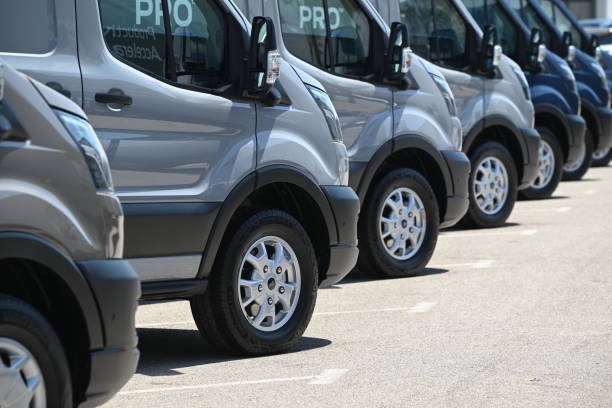
Ford Mobile Service is a relatively new concept that offers convenience by bringing vehicle maintenance directly to the customer’s location. This approach eliminates the need for customers to drive to a dealership or service center, thereby saving time and effort. The primary appeal of mobile services lies in their flexibility; they allow car owners to schedule maintenance at times that suit their busy lifestyles without disrupting daily routines. Moreover, these services often provide real-time updates and personalized attention from technicians who focus solely on one vehicle at a time.
On the other hand, traditional service centers have been around for decades and offer comprehensive solutions for all types of automotive issues. These centers are equipped with advanced diagnostic tools and machinery that may not be available through mobile services due to logistical constraints. Traditional service centers typically employ highly trained technicians who specialize in various aspects of car repair and maintenance, ensuring thorough inspections and expert handling of complex problems.
However, there are some drawbacks associated with each option. For instance, while Ford Mobile Service is incredibly convenient for routine tasks like oil changes or tire rotations, it might not be suitable visit for more insights intricate repairs requiring specialized equipment found only in dedicated facilities. Additionally, weather conditions or geographical limitations could affect the availability of mobile services in certain areas.
Conversely, visiting a traditional service center can be time-consuming as it usually involves scheduling an appointment days or weeks in advance followed by potential waiting periods once at the facility.