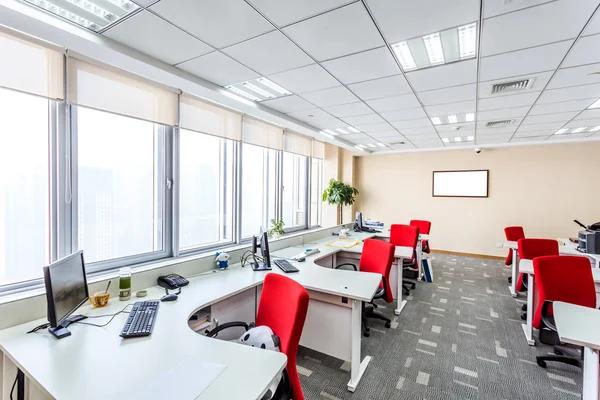
In today’s competitive business environment, managing expenses without compromising quality is essential for long-term success. One effective way to reduce operational costs is by incorporating used office furniture into workplace design and setup. Opting for pre-owned furniture can significantly lower initial investment while maintaining a professional and functional office space. This approach allows companies to allocate resources more efficiently, directing savings toward other critical areas such as technology upgrades or employee development.
Purchasing used office furniture offers immediate financial benefits because it typically costs a fraction of the price of new items. Many businesses replace their furniture regularly due to changing aesthetics or expansion needs, creating an abundant market of high-quality pieces that remain in excellent condition. These products often come from reputable sources where they have been inspected and refurbished if necessary, ensuring durability and usability comparable to brand-new options. By choosing gently used desks, chairs, filing cabinets, and conference tables, organizations can outfit entire offices without exceeding budget constraints.
Beyond cost reduction, selecting secondhand furnishings supports sustainability initiatives by extending product life cycles and reducing waste sent to landfills. Environmentally conscious companies increasingly recognize dive deeper into the topic here value of adopting green practices in all aspects of operations. Using recycled materials aligns with corporate social responsibility goals while enhancing brand reputation among clients and employees who prioritize eco-friendly values.
When integrating used office furniture into workspace planning, it is important to focus on both functionality and aesthetics. Careful selection ensures that pieces complement existing decor or create a cohesive look throughout the facility. Additionally, ergonomic considerations should not be overlooked; comfortable seating and adjustable workstations contribute directly to employee productivity and well-being over time.
Another advantage lies in flexibility during periods of growth or restructuring since purchasing pre-owned furniture enables rapid scaling without excessive expenditure on customized solutions or long lead times associated with new orders. Businesses can acquire what they need promptly while preserving capital reserves for unforeseen challenges or strategic investments.
To maximize these benefits further, companies may establish relationships with trusted suppliers specializing in refurbished office equipment who offer warranties or return policies for added security during transactions. Regular maintenance protocols also help prolong the lifespan of used furnishings so that cost savings accumulate steadily rather than diminish due to premature wear.
In conclusion, incorporating used office furniture as part of overall cost-saving strategies presents a practical solution for organizations seeking efficient resource management without sacrificing quality standards or environmental responsibility. This method balances fiscal prudence with workspace functionality while promoting sustainable business practices that resonate positively across multiple stakeholders involved in daily operations and future growth plans alike.