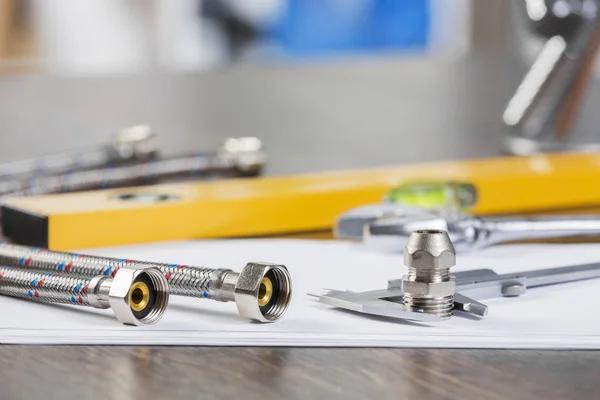
Accredited calibration services play a crucial role in ensuring the accuracy and reliability of measurement instruments used across various industries. Calibration is the process of comparing an instrument’s measurements against a recognized standard to identify and correct any deviations. This practice helps maintain quality control, supports compliance with industry regulations, and enhances overall operational efficiency. When calibration services are accredited, it means they have been evaluated by an independent authority according to international standards such as ISO/IEC 17025. This accreditation guarantees that the service provider has demonstrated technical competence and consistently produces valid results.
Industries ranging from manufacturing to healthcare rely heavily on precise measurements for product quality, safety, and regulatory adherence. Inaccurate instruments can lead to faulty products, increased waste, financial losses, or even hazardous situations. Accredited calibration ensures that instruments deliver trustworthy data within specified tolerances. It also supports traceability by linking measurements back to national or international standards through an unbroken chain of comparisons. This traceability is essential for audits or certifications where proof of measurement accuracy is required.
Choosing an accredited calibration service involves assessing several factors beyond just accreditation status. The range of equipment calibrated must align with your specific needs; some providers specialize in electrical devices while uncover details others focus on mechanical or dimensional tools. Turnaround time and location convenience are important considerations since downtime can impact production schedules significantly. Additionally, transparent reporting practices are vital so clients receive detailed certificates outlining measurement uncertainties, methods used during calibration, environmental conditions at the time of testing, and any adjustments made.
Regularly scheduled calibrations form part of a robust maintenance program designed to prevent instrument drift over time due to wear or environmental influences such as temperature fluctuations or humidity changes. Industries often establish intervals based on manufacturer recommendations combined with historical performance data gathered internally or from external audits.
The benefits derived from using accredited calibration services extend beyond compliance alone; they foster customer confidence by demonstrating commitment to quality assurance principles while minimizing risks associated with inaccurate measurements. Furthermore, maintaining properly calibrated equipment contributes directly to improved product consistency which strengthens brand reputation in competitive markets.
In summary, accredited calibration services serve as foundational elements for industries requiring precision in their operations. By selecting providers who meet rigorous accreditation criteria and offer comprehensive support tailored to organizational requirements, companies can safeguard their processes against errors stemming from faulty instrumentation while optimizing productivity and meeting stringent regulatory demands effectively.