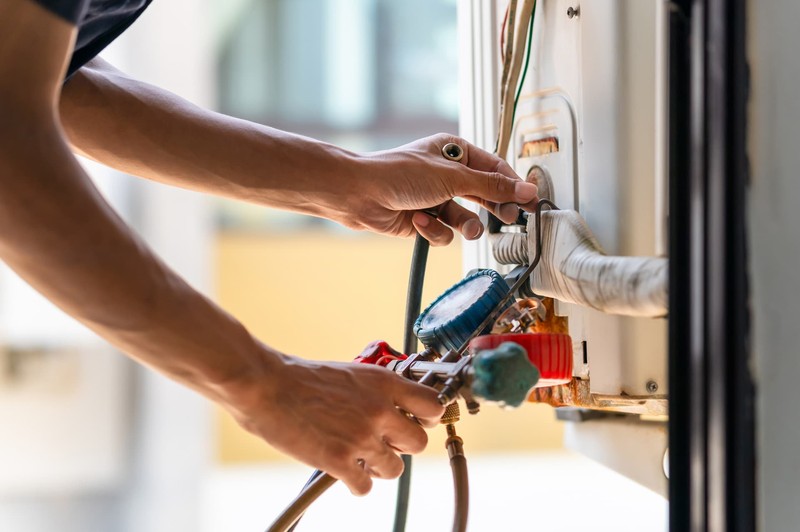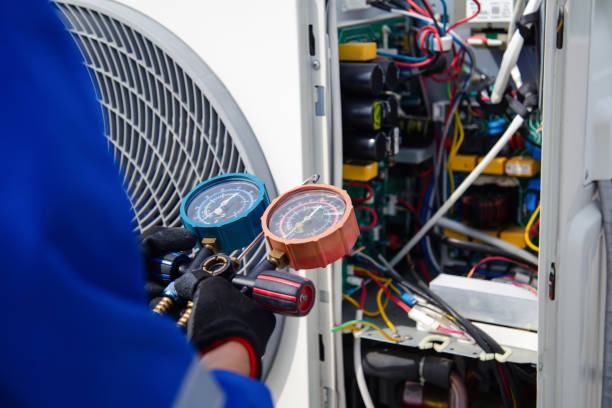
When faced with a malfunctioning air conditioning unit, homeowners often grapple with the decision of whether to repair or replace it. This dilemma is common, as both options come with their own set of advantages and drawbacks. Understanding when to repair and when to replace can save time, money, and ensure comfort during those sweltering summer months.
Firstly, consider the age of your AC unit. Most air conditioners have a lifespan of around 10-15 years. If your system is nearing the end of this range or has surpassed it, replacement might be more cost-effective in the long run. Older units tend click to find out be less energy-efficient compared to modern models that adhere to stricter environmental standards and boast improved technology for better performance. Thus, replacing an outdated system could result in significant savings on energy bills over time.
On the other hand, if your AC unit is relatively new but experiencing issues, repairs are likely the better option. Minor problems such as refrigerant leaks or electrical failures can often be fixed without needing a full replacement. A professional technician can assess whether these issues are isolated incidents or indicative of larger systemic problems.
Cost is another critical factor in making this decision. Repairing an air conditioner generally costs less upfront than purchasing a new one; however, frequent repairs can add up quickly and may not provide a permanent solution if your unit continues breaking down regularly. In contrast, investing in a new system involves higher initial expenses but typically offers greater reliability and efficiency.
Energy efficiency should also play into your decision-making process. Newer models are designed with advanced features that significantly reduce energy consumption while maintaining optimal performance levels—something older units may struggle with even after repairs.
Moreover, environmental considerations cannot be overlooked either; newer systems use eco-friendlier refrigerants that minimize harm to our planet compared to their predecessors’ harmful chemicals like R-22 Freon which was phased out due its ozone-depleting properties.
In conclusion though there isn’t always one-size-fits-all answer when deciding between repairing versus replacing an AC unit weighing factors such as age condition frequency/extent needed fixes alongside budgetary constraints will help guide toward making informed choice ultimately ensuring comfort peace mind knowing chosen path best suits household needs preferences overall situation context involved each unique case-by-case basis so consult trusted HVAC professionals who can offer expert advice tailored specifically individual circumstances thereby maximizing benefits derived from whatever course action taken regarding cooling system maintenance management decisions made today impact tomorrow’s quality life home environment sustainability efforts alike!